Diamond Rings
 Black Diamond Rings
 Emerald Rings
 Pink Sapphire Rings
 Ruby Rings
 Sapphire Rings
 Amethyst Rings
 Aquamarine Rings
 Citrine Rings
 Garnet Rings
 Morganite Rings
 Peridot Rings
 Rhodolite Rings
 Tanzanite Rings
 Topaz Rings



Sapphire Meaning: The Stone of Wisdom, Loyalty & Everything Royal
Few gemstones carry meaning as naturally as sapphire. Its deep blue color suggests calm, depth and quiet authority, while its presence in ceremonial and royal jewelry has made it a symbol of distinction across generations. Yet the sapphire meaning extends beyond crowns and courtly tradition. It is also associated with wisdom, loyalty, sincerity and steadfast love, qualities that remain as relevant today as they were centuries ago.
For those choosing jewelry to mark an engagement, anniversary, birthday or personal milestone, sapphire offers more than beauty. It brings together history, symbolism and remarkable natural character in a gemstone designed to be worn and remembered.
What Does Sapphire Mean?
Traditionally, sapphire symbolizes wisdom, truth, loyalty and sincerity. These associations developed as the stone appeared in religious dress, royal collections and personal jewels. Its blue color was linked with the heavens, clear judgement and moral integrity.
The symbolic meaning of sapphire is not a scientific property of the stone. It is a cultural language built through history, belief and the ways people have chosen to wear it. A sapphire may therefore hold different significance for each person. For one wearer, it may represent commitment. For another, it may be a reminder to make thoughtful decisions, remain true to personal values or honor a family connection.
This flexibility is part of the gemstone’s lasting appeal. Sapphire symbolism feels established without being restrictive, giving a jewel meaningful context while leaving room for an individual story.
Why Is Sapphire Known as the Stone of Wisdom?
Wisdom is one of the most enduring elements of sapphire meaning. Fine blue sapphire has visual depth rather than brightness alone. Its color can appear composed and contemplative, encouraging a sense of clarity and reflection.

Historically, sapphire was believed to encourage sound judgement and protect the wearer from deception. Rulers and religious figures wore it not simply as an indication of rank, but as a symbolic reminder of responsibility and discernment. In this context, wisdom meant more than knowledge; it referred to acting fairly and understanding the consequences of one’s choices.
Today, the blue sapphire meaning can still express this quieter form of intelligence. It is a thoughtful gift for someone beginning a new chapter, accepting greater responsibility or celebrating an achievement earned through patience. It can also be chosen as an emblem of focus and self-trust.
Sapphire as a Symbol of Loyalty
Sapphire symbolism is equally connected with loyalty. The gemstone has traditionally represented faithfulness, sincerity and constancy, qualities that explain its natural place in romantic and commemorative jewelry.
Sapphire belongs to the corundum mineral family and ranks 9 on the Mohs scale of hardness, making it one of the hardest gemstones used in fine jewelry. Hardness does not make any gemstone indestructible, but sapphire’s durability gives its association with steadfastness a tangible dimension.
This connection makes the sapphire engagement ring meaning particularly compelling. A sapphire ring can represent a relationship founded on trust, honesty and enduring commitment. It offers a distinctive alternative to the traditional diamond while retaining the refinement expected of an engagement jewel.
For a closer look at color, clarity, origins, treatments and physical properties, GEMNAT’s Blue Sapphire Full Guide provides a detailed introduction.
Why Is Sapphire Associated With Royalty?
Sapphire and royalty have been connected for centuries. The gemstone has decorated royal robes, ceremonial objects, crowns, brooches and important rings, where its intense blue color conveyed dignity and authority.
Royal sapphire jewelry remains influential because it balances presence with restraint. A sapphire can command attention without appearing excessive. Its color offers richness, while its symbolism adds seriousness and continuity. This is why sapphire designs often feel appropriate for heirloom pieces: they suggest history even when newly made.
One of the most recognized examples is the sapphire engagement ring first worn by Diana, Princess of Wales, and later by Catherine, Princess of Wales. Its oval blue center stone, diamond halo and white-metal setting helped define a style that remains admired.
 Copyright: Getty Images
Yet royal sapphire jewelry is not limited to one famous design. Solitaires, three-stone rings, understated pendants and modern geometric settings can express the same considered elegance.
The Natural Character Behind Blue Sapphire Meaning
Symbolism gives sapphire its emotional language, but natural variation gives each stone its individual presence. Sapphire is a variety of corundum. While the mineral is colorless in its pure form, trace elements contribute to the colors seen in natural stones.
Blue sapphires range from pale and airy to deep navy, with cornflower, vivid blue and royal blue among the descriptions used in the trade. These variations add another layer to the blue sapphire meaning, as each shade can create a different visual and emotional impression.
Color is often the first quality a person notices, but no single shade is universally right. Some prefer a bright, open blue that remains lively in different lighting. Others are drawn to a deeper tone with a more formal character. The best choice is one that appears balanced to the eye and suits the design in which it will be worn.
Natural sapphires also commonly contain internal features formed during their growth. These characteristics can help distinguish a natural gemstone and reveal part of its geological story. Their effect on beauty and value depends on their visibility, location and influence on durability.
Cut is equally important. A well-considered cut supports color, proportion and light performance. Because colored gemstones are evaluated differently from diamonds, cutters may adjust depth and orientation to preserve desirable color.
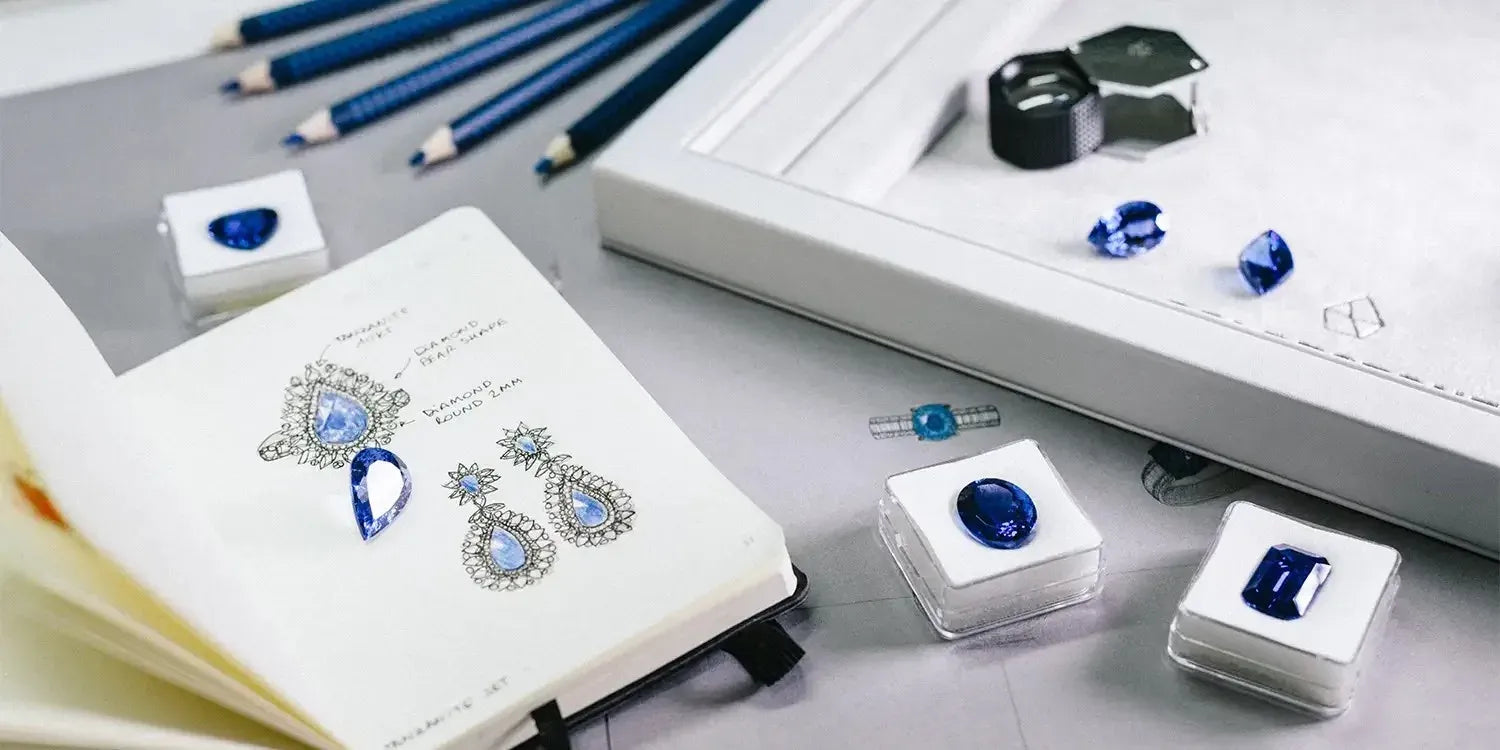
GEMNAT’s collection of natural sapphire jewelry shows how shapes, proportions and settings can change the expression of each stone.
Sapphire Beyond Blue
Although blue is most closely associated with traditional sapphire stone meaning, sapphires occur in a wide spectrum. Pink, yellow, green, purple, white and orange sapphires all belong to the same mineral family. Red corundum is classified separately as ruby.
 Copyright:
 These colors may carry their own cultural or personal associations. Pink sapphire is often connected with affection and emotional warmth, while yellow sapphire may suggest optimism and confidence. Padparadscha sapphire, known for its pinkish-orange color, is valued for a delicate balance sometimes compared with a lotus blossom or sunset.
For a discussion of wisdom, loyalty and royal heritage, blue remains the most relevant color. However, sapphire’s broader palette offers greater freedom when creating a highly personal piece.
The sapphire stone meaning does not have to be determined by color alone. The occasion, design and story behind the jewel may be equally important in shaping what the gemstone represents to its wearer.
The September Birthstone and Anniversary Meaning
Sapphire is the traditional September birthstone, making it a natural choice for birthdays and personalized gifts. A pendant, pair of earrings or fine bracelet can acknowledge a birth month while remaining suitable for regular wear.
GEMNAT’s birthstone calendar places sapphire within the wider tradition of gemstones associated with each month. As the September birthstone, sapphire is often selected not only for its color, but also for its connections with sincerity, wisdom and loyalty.
Sapphire is also recognized as the gemstone for the fifth and forty-fifth wedding anniversaries. Its associations with truth and faithfulness make it especially appropriate for celebrating a partnership shaped by time.
A sapphire pendant may mark a private milestone. A pair of earrings can celebrate a shared achievement. A redesigned ring may honor an existing story while beginning a new chapter.
Sapphire Engagement Ring Meaning
Choosing a sapphire for an engagement ring communicates individuality without sacrificing timelessness. Its connection with loyalty and sincerity gives it clear romantic relevance, while its durability supports regular wear when the stone is set and cared for appropriately.
The sapphire engagement ring meaning can feel especially appropriate for couples who value constancy, honesty and thoughtful commitment. It carries a sense of tradition, but remains more distinctive than the conventional diamond solitaire.

A sapphire engagement ring also allows freedom with color and design. Deep blue creates a striking contrast with white gold and diamonds. Yellow gold introduces warmth and a more classical mood, while rose gold can soften the overall effect.
Shape also influences character. Oval and cushion cuts often feel traditional, round stones appear balanced, pear shapes bring movement, and emerald cuts create a more architectural impression.
GEMNAT’s sapphire rings include different stone shapes and 18k gold colors, allowing each design to be adapted around personal preference. For a completely individual interpretation, the custom jewelry service can develop a piece from a reference, drawing or original idea.
The most meaningful choice is not necessarily the largest stone. It is the sapphire whose color, proportions and setting feel right for the wearer. Quiet confidence is often more enduring than spectacle.
How to Wear Natural Sapphire Jewelry
Natural sapphire jewelry can feel ceremonial, but it is not limited to formal occasions. Its depth of color works well in designs intended to move between daily wear and important events.
A sapphire ring places the symbolism close at hand and is particularly suited to engagements, anniversaries and personal milestones. Sapphire earrings bring color near the face and may range from minimal studs to halo or drop designs. A sapphire pendant offers a discreet way to wear the stone’s meaning.

When combining natural sapphire jewelry with other pieces, consider visual balance rather than strict matching. White diamonds can brighten blue sapphire. Yellow gold creates a rich contrast, while white gold gives the gemstone a cooler, contemporary frame. Rose gold offers a softer and less expected pairing.
The design should also reflect how the piece will be worn. A lower-profile setting may be more practical for frequent use, while an elevated or detailed setting may suit a jewel intended for occasional wear.
Choosing a Natural Sapphire With Confidence
When selecting a natural sapphire, ask about color, clarity, cut, carat weight, origin where known, and any treatments. Heat treatment is widely used in the sapphire market to improve color or clarity, but it should be disclosed. Untreated sapphires with desirable qualities may be less common and can command higher prices.
Rather than focusing on one factor alone, consider the complete stone. A larger sapphire that appears too dark may be less visually appealing than a smaller stone with balanced color. A stone with minor inclusions may still be beautiful if those features do not distract from its appearance or compromise durability.
Choosing natural sapphire jewelry should therefore involve more than comparing carat weights. The gemstone’s color, proportions and individual character should work together with the setting.

Responsible sourcing and clear product information also matter. GEMNAT states that its natural gemstones are selected through trusted suppliers and that each piece is handmade in its Dubai atelier. Learn more about the brand’s approach to ethical and conflict-free gemstones.
A Meaning That Becomes Personal
The enduring appeal of sapphire lies in the way material beauty and human meaning meet. Its blue color has been associated with wisdom and clear judgement. Its history has linked it with nobility and royal tradition. Its symbolism speaks of loyalty, sincerity and faithfulness. Its natural strength makes those ideas especially fitting in jewelry intended to last.
Yet the most important sapphire meaning is the one created by the wearer. A stone may commemorate a September birthday, a fifth or forty-fifth anniversary, an engagement, a personal achievement or a promise known only to two people.
History gives sapphire context; an individual story gives it life.
To explore a natural sapphire for a meaningful piece, contact GEMNAT’s jewelry experts for personalized guidance on gemstone selection, design and customization.

Written by Gemnat Customer Service